
Narrow tasks, measurable value
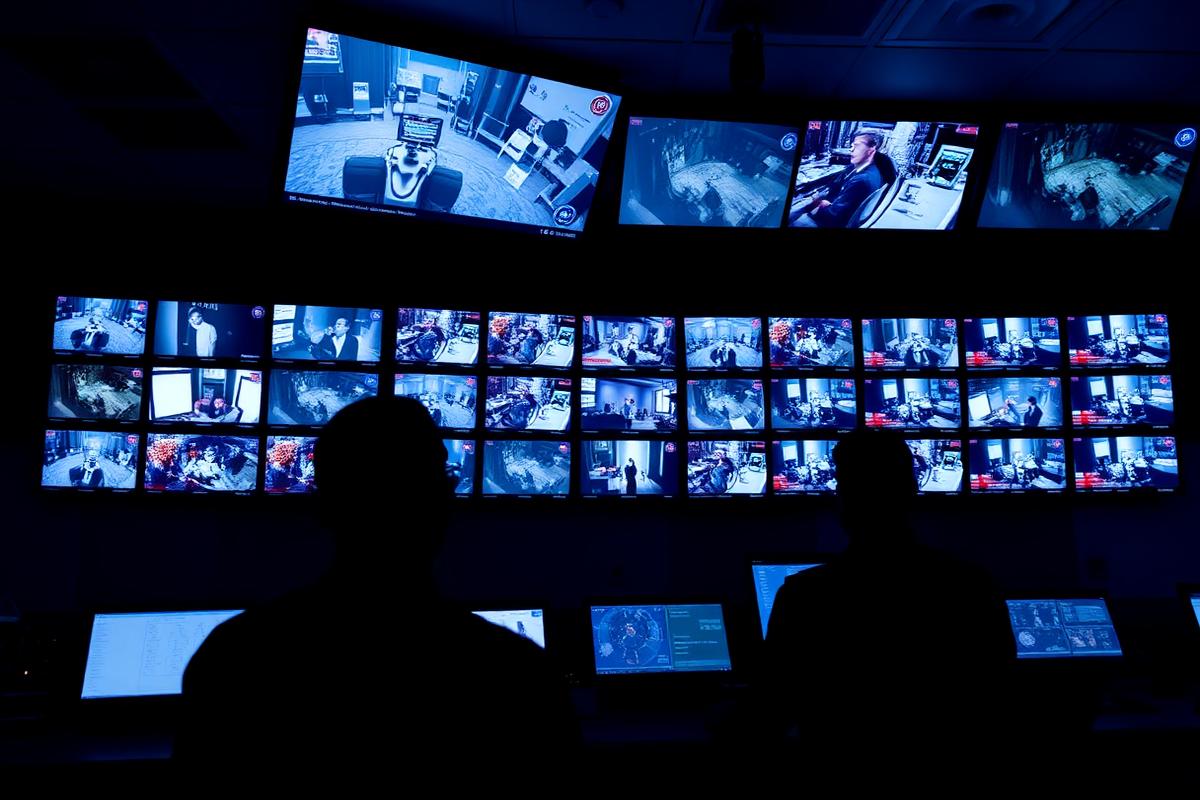
The surveillance applications gaining traction are narrow: detecting an unattended item, flagging a door held open, identifying a queue forming at a cage window, or confirming that a required procedure was followed during a fill. These are bounded problems with clear ground truth, and their performance can be audited.
Broader claims about behavioural prediction receive far more scepticism from security directors, who point out that a false positive in this environment has a direct cost in patron experience and staff time.
The operator remains accountable
Every serious deployment retains a human decision point before any action affecting a patron. The system raises an alert; a trained operator reviews the footage and decides. That structure is not only a matter of good practice — in several jurisdictions it is the difference between a permitted tool and an unacceptable one.
Storage, retention and disclosure
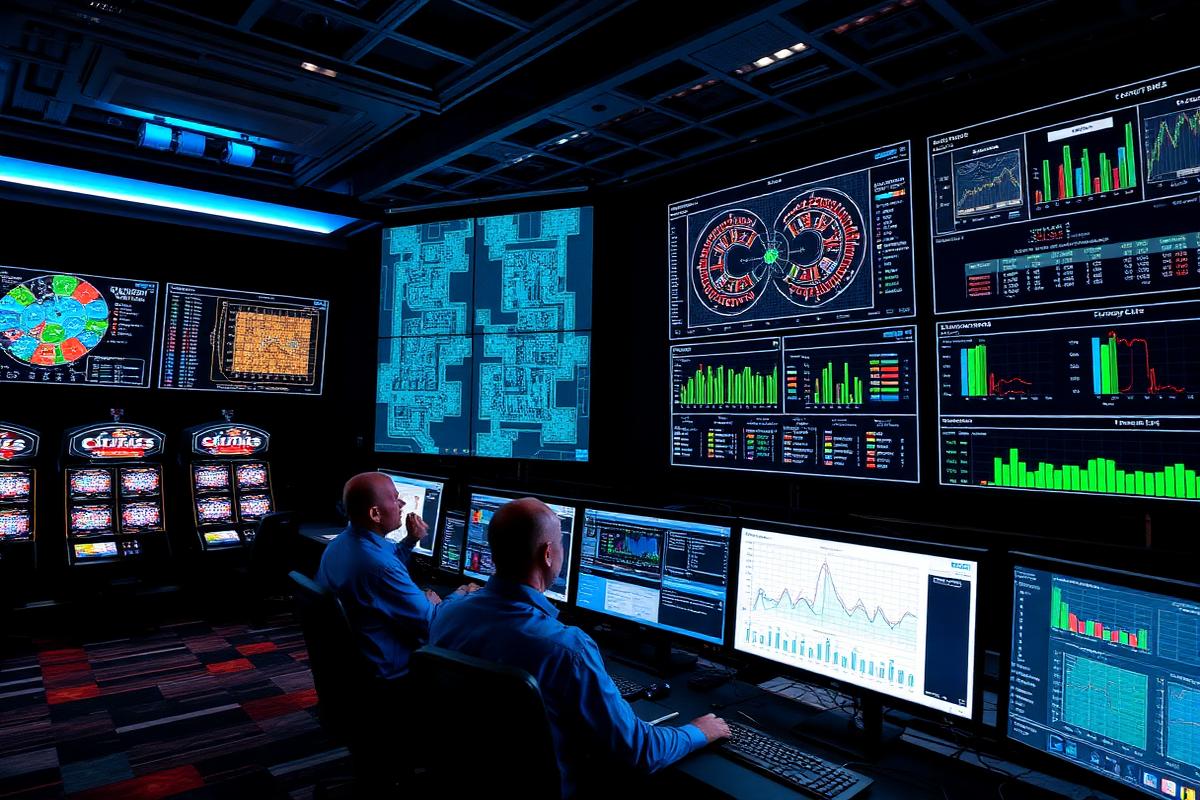
Higher camera counts and higher resolutions have made storage design a substantial part of the capital cost of a surveillance upgrade. Retention schedules are typically set by licence conditions, and the ability to export a clean, timestamped, unedited sequence for a regulator is a functional requirement rather than an afterthought.
“The system raises an alert; a trained operator reviews the footage and decides.”
Bravencora security desk
Key facts
- Bounded detection tasks with auditable ground truth are the practical use cases.
- Human review before patron-affecting action is a common licence expectation.
- Storage and export capability are core requirements of a surveillance upgrade.
Editorial demo content. Bravencora sample reporting is written to illustrate industry practice and is not presented as verified news about named companies, projects or legislation.