
Capacity without proportional labour
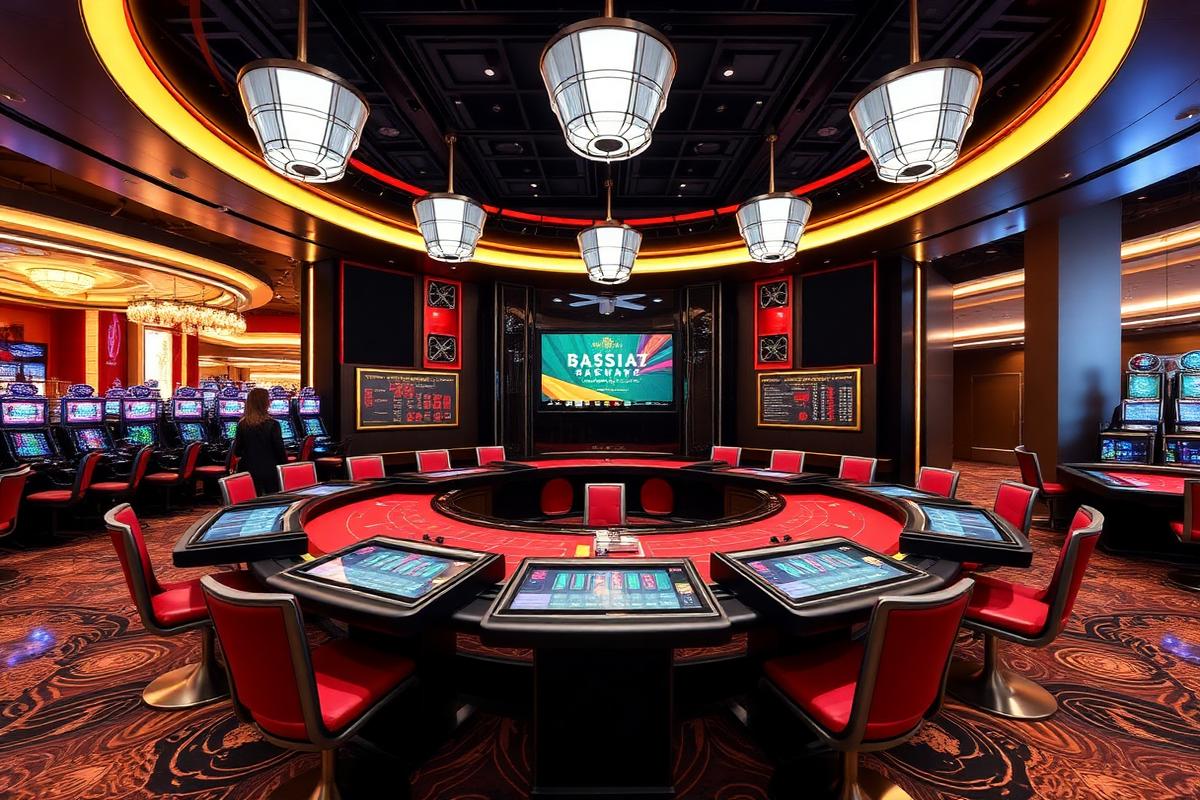
The commercial case for electronic table installations rests on peak capacity. A single live dealer feeding a stadium of terminals adds positions at times when the pit is full, without a proportional increase in staffing.
The case weakens outside peak periods, when a large installation occupying prime floor area can look considerably less productive than the tables it replaced.
Placement is the deciding factor
Successful installations tend to sit adjacent to live tables rather than in a separate area, allowing patrons to move between the two. Isolated installations placed in secondary space consistently underperform.

Reporting cuts both ways
Because these systems report at position level, their performance is visible in a way that pit tables historically were not. Operators describe this as useful and uncomfortable in equal measure: underperformance cannot be averaged away.
“Underperformance cannot be averaged away.”
Bravencora equipment desk
Key facts
- Peak-period capacity is the core commercial argument.
- Adjacency to live tables strongly influences performance.
- Position-level reporting exposes results that pit records concealed.
Editorial demo content. Bravencora sample reporting is written to illustrate industry practice and is not presented as verified news about named companies, projects or legislation.