
Downtime is the metric that travels
Ask a floor technician which cabinet they prefer and the answer rarely concerns the display. It concerns whether the machine can be opened, diagnosed and returned to service without removing it from the bank. Time out of service is the metric that follows a cabinet through its life, and manufacturers have begun to design for it explicitly.
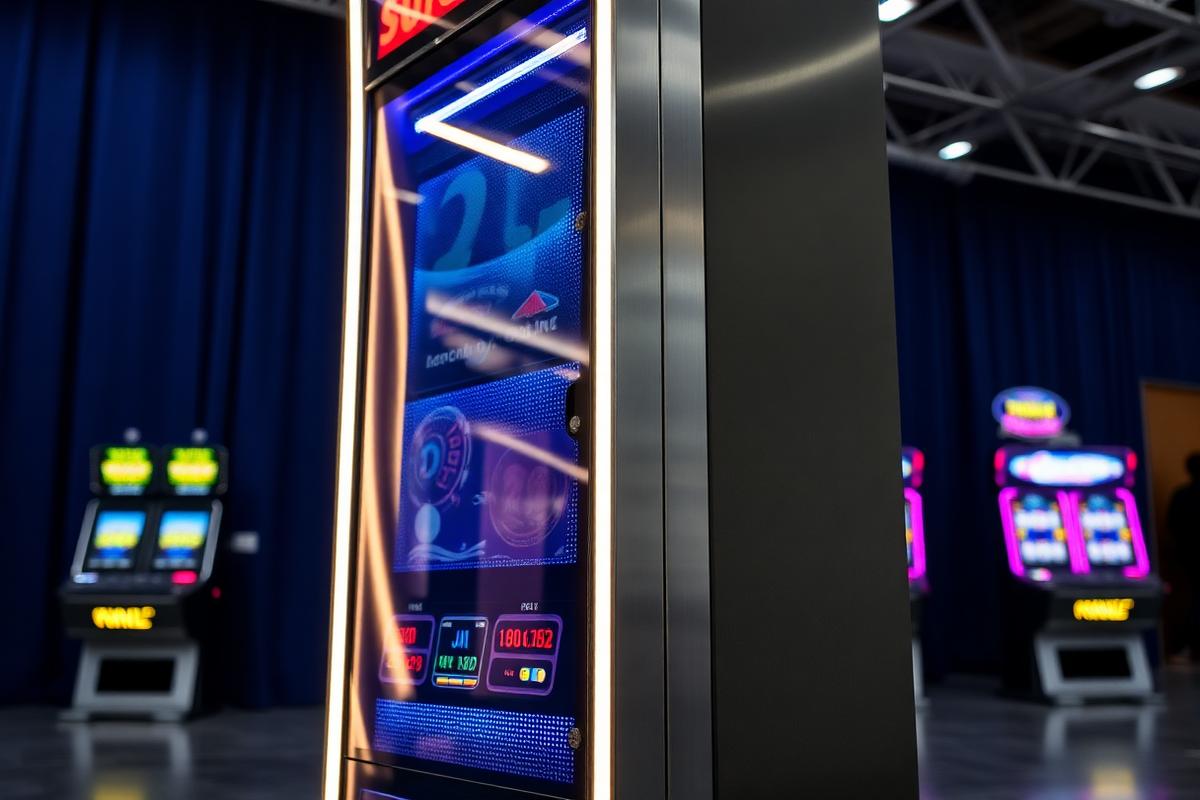
Recent showroom hardware demonstrates the pattern: tool-free access panels, hot-swappable power supplies, cable routing that does not require the chair to be moved, and diagnostic screens that report a fault in plain language rather than a numeric code.
Compliance modules and market portability
Behind the panels, the more consequential change is the separation of the compliance-critical components from the rest of the machine. Isolating the regulated computing element allows a supplier to certify a smaller surface area and to adapt a cabinet for a new jurisdiction without redesigning the enclosure.
For operators in markets with distinct state-level technical standards, this reduces both cost and lead time. For regulators, it narrows the scope of what must be inspected and re-verified when a configuration changes.
Ergonomics as commercial design
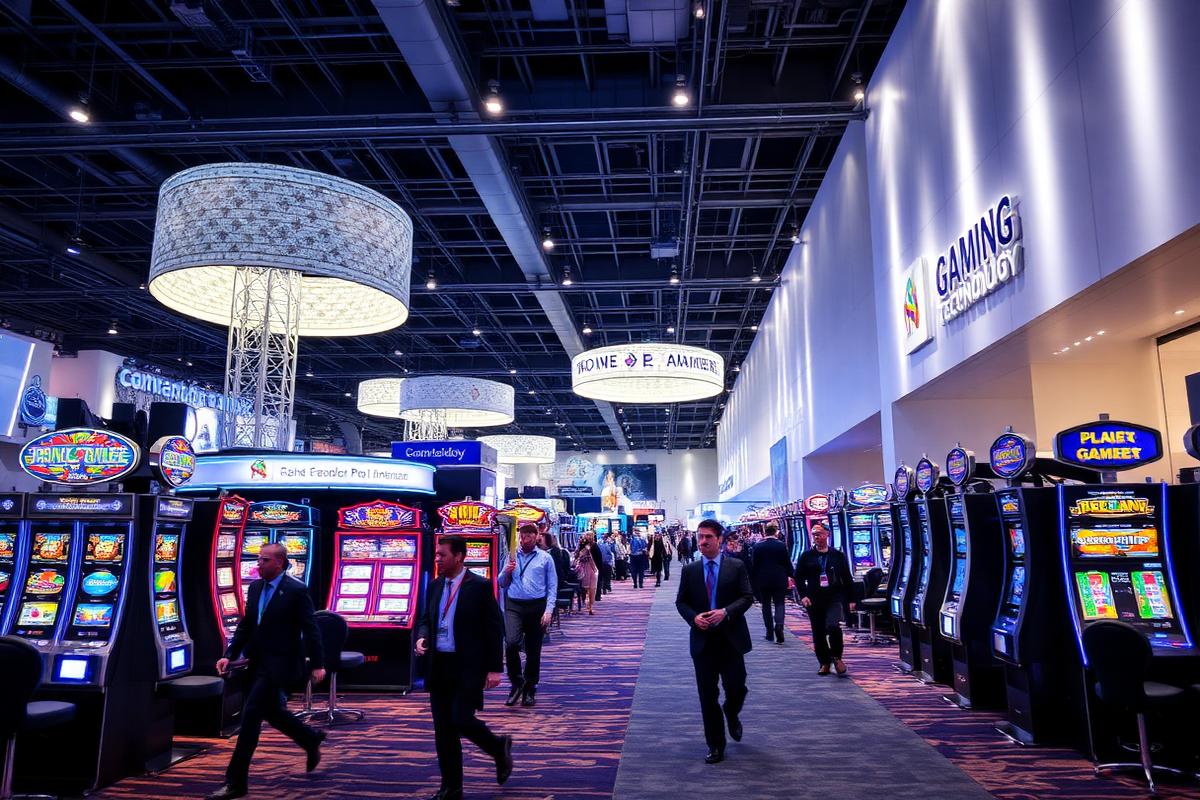
Seating height, screen angle, sound isolation and lighting spill are now assessed together rather than as separate specifications. Poorly considered audio design forces a venue to lower volume across an entire bank; a screen with a narrow viewing angle constrains where the machine can be placed.
The result is a category of product decisions that look like industrial design questions but behave like commercial ones, because they determine where on the floor a machine can be installed at all.
“Time out of service is the metric that follows a cabinet through its life.”
Bravencora equipment desk
Key facts
- Tool-free access and hot-swappable components reduce on-floor service time.
- Isolated compliance modules narrow the certification surface for new markets.
- Audio and viewing-angle design directly constrain floor placement options.
Editorial demo content. Bravencora sample reporting is written to illustrate industry practice and is not presented as verified news about named companies, projects or legislation.