
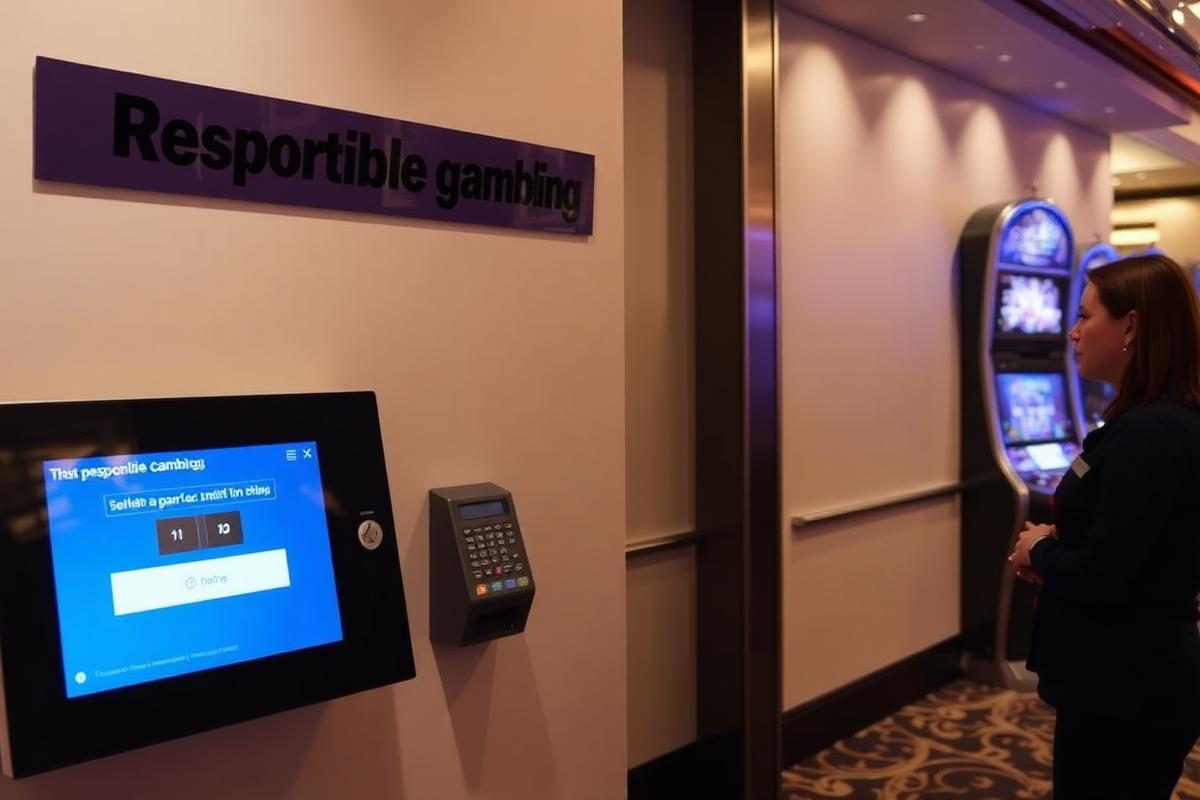
From posters to product
For years, responsible-gambling measures in venues were predominantly informational: signage, brochures and helpline numbers. The current generation of measures is functional — limit setting, session reminders, self-exclusion enforcement and activity statements — and it must be delivered by the same systems that run the floor.
That changes who is responsible for it. When a measure is a poster, it belongs to marketing; when it is a limit enforced at a machine, it belongs to engineering, operations and compliance jointly.
Staff-facing tools matter as much as patron-facing ones
Venues report that the most useful tools are often those directed at staff: structured observation prompts, consistent record-keeping for interactions, and clear escalation paths. These reduce reliance on individual judgement and produce records that can be reviewed.

Evaluation is the weak point
The persistent gap across markets is evaluation. Tools are deployed widely and measured narrowly. Where independent evaluation has been built into a programme from the start, the resulting evidence has been considerably more useful to both operators and regulators.
This article provides general editorial information and does not constitute legal or clinical advice.
“When a measure is a poster it belongs to marketing; when it is a limit enforced at a machine, it belongs to engineering and compliance.”
Bravencora regulation desk
Key facts
- Functional tools require integration with core gaming systems.
- Staff-facing prompts and records are consistently rated as high value.
- Independent evaluation remains the least developed element.
Editorial demo content. Bravencora sample reporting is written to illustrate industry practice and is not presented as verified news about named companies, projects or legislation.