
From fixed banks to flexible zones
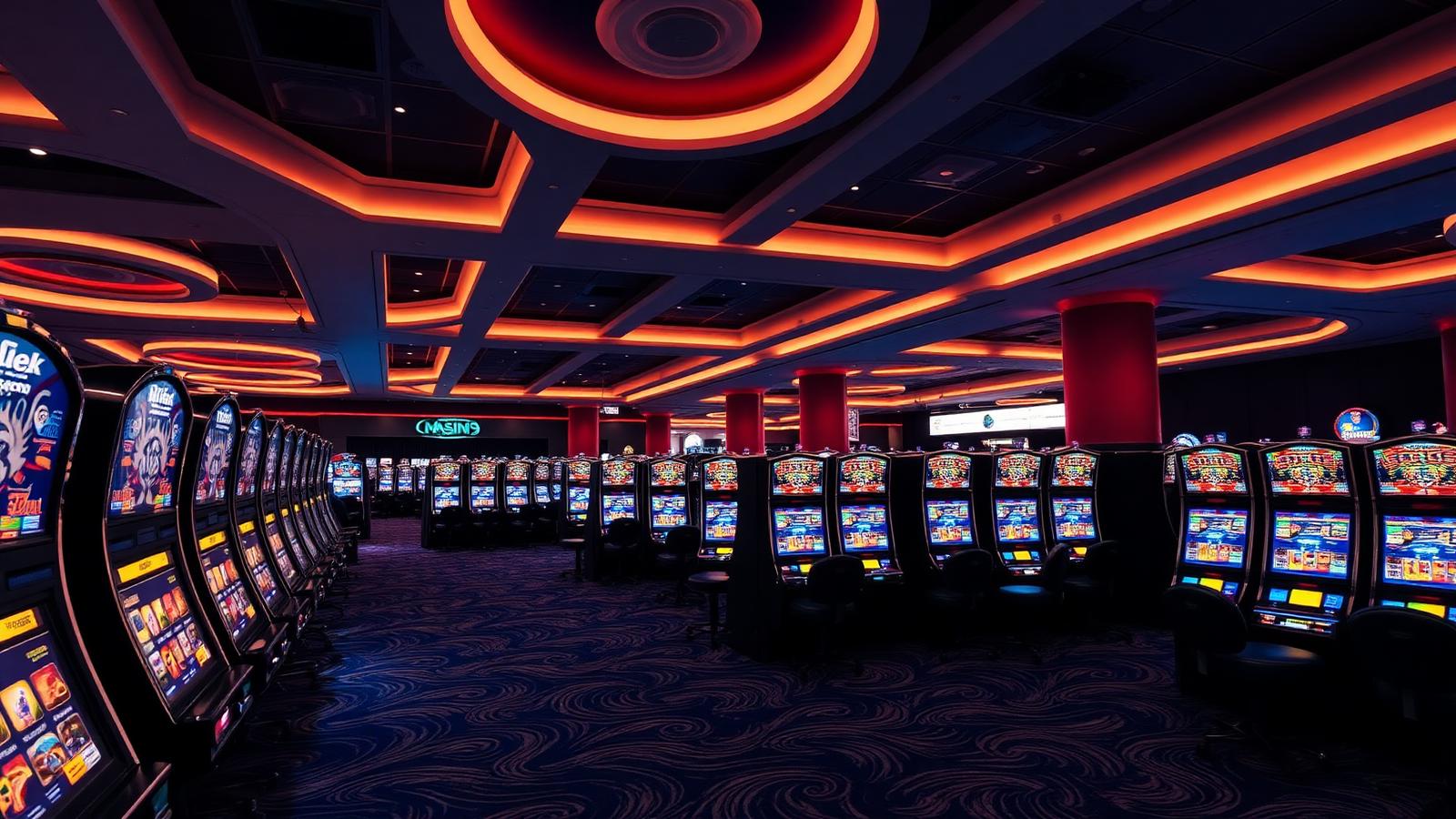
For most of the past three decades, a casino floor was planned in the way a warehouse is planned: fixed banks, fixed power runs, fixed sightlines, and a refurbishment cycle measured in years rather than weeks. That model is being quietly retired. The floor plans now moving through design review at large properties treat the gaming area as a set of zones that can be re-weighted several times a year, with cabling, plinths and signage designed for change rather than permanence.
The commercial logic is straightforward. Product cycles for electronic gaming machines have shortened, premium table environments have become a differentiator for higher-value visitation, and food, beverage and entertainment spaces now compete for the same footprint. An operator that can move fifty machines and reopen a zone over a maintenance window has an advantage over one that needs a construction programme to do the same thing.
Designers describe the shift in terms of infrastructure rather than aesthetics. Raised floors, modular power and data spines, and lighting grids on independent control zones cost more at the point of construction, but they collapse the cost of every subsequent change. The gaming floor becomes a platform, and the machines become the changeable part.
The cabinet as a chassis
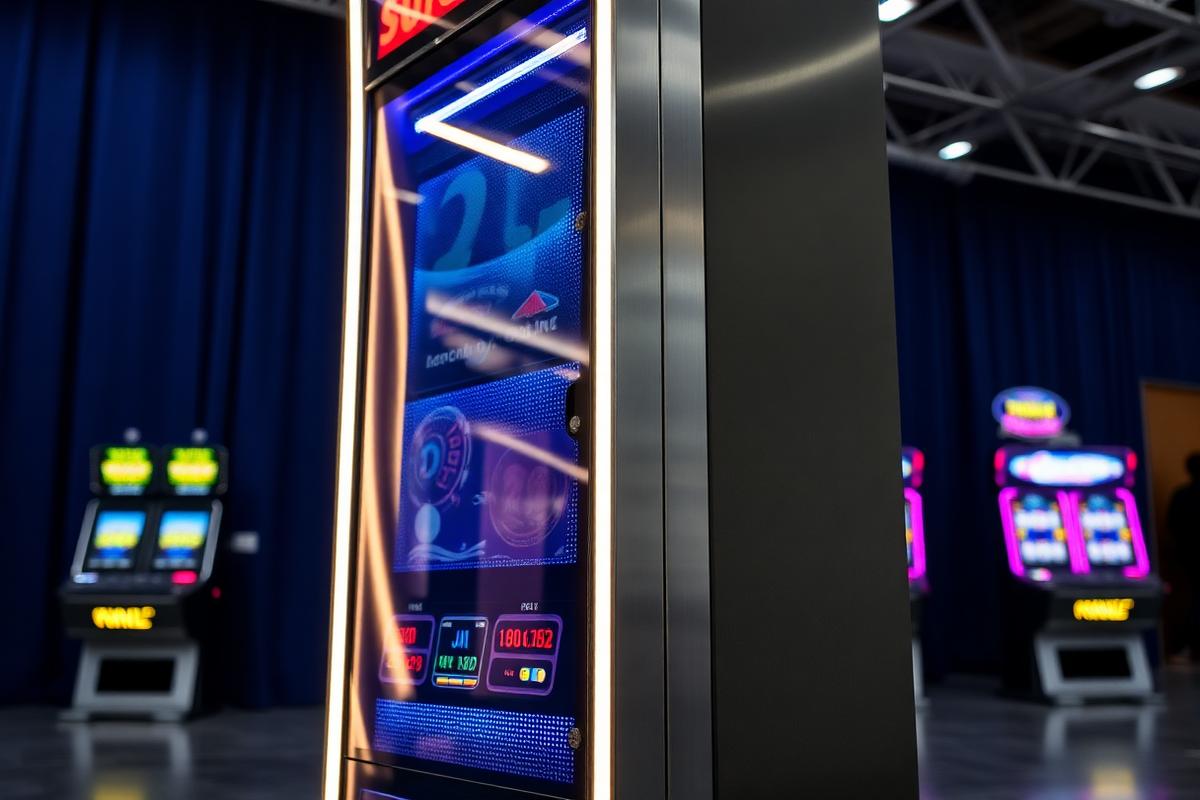
Manufacturers have responded with cabinet families rather than single products. A modular chassis carries a common computing core, a common compliance module and a common maintenance access pattern, while the display configuration, topper, seating and button deck vary across the range. For a floor manager, this reduces the training burden and the spare-parts inventory; for a supplier, it shortens the certification path when a new configuration is introduced into a market.
The practical effect is visible in procurement documents. Purchasing conversations that once centred on individual titles increasingly centre on platform commitments: how long the chassis will be supported, how the operator can migrate content, and what happens to the hardware when a title underperforms.
Data as shared infrastructure
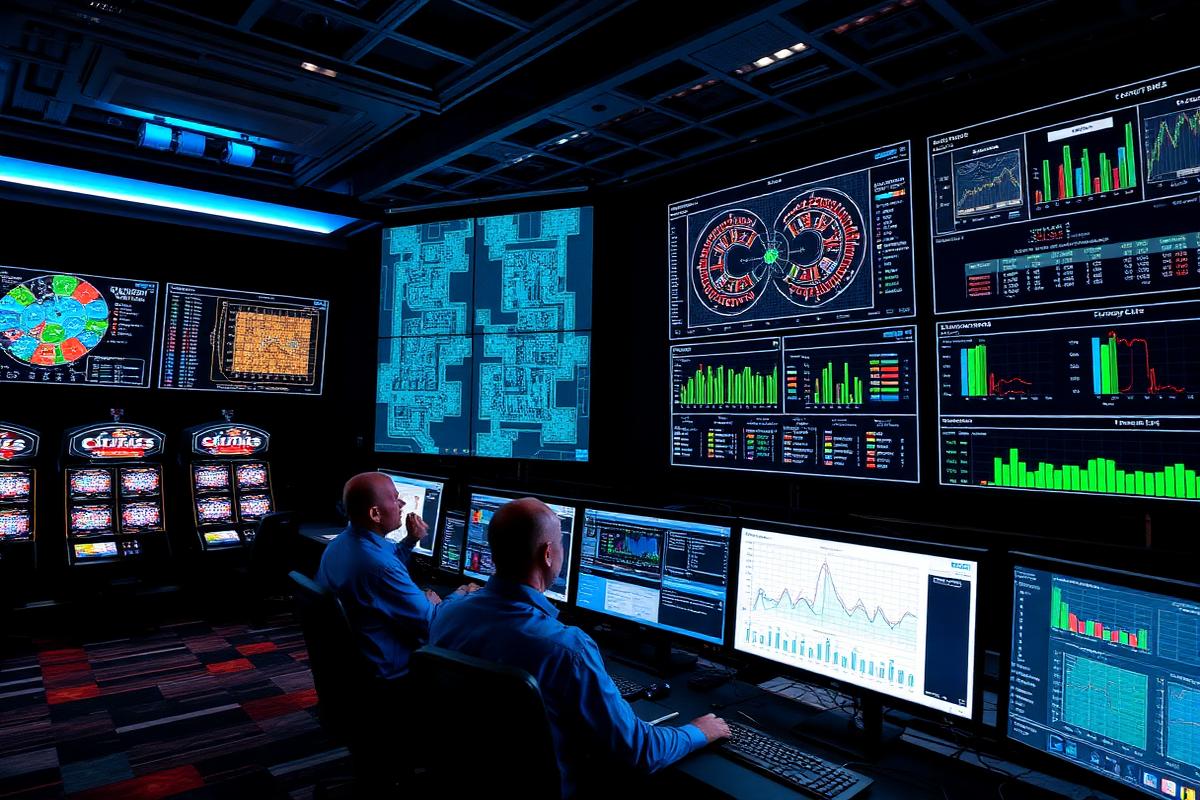
The second structural change is the arrival of a shared data layer across machines, tables, loyalty systems and building services. Floor performance reporting that once ran overnight is now routinely available through the trading day, and the same feed informs cleaning rosters, energy management and staffing.
This has consequences beyond analytics. When a single system underpins gaming performance, responsible-gambling monitoring and financial-crime controls, its governance becomes a board-level matter. Several operators now treat the gaming data platform as regulated infrastructure, with change control, audit logging and independent review comparable to a financial system.
What it means for the next capital cycle
Boards approving the next refurbishment cycle are being asked to fund infrastructure whose payoff is optionality rather than immediate yield. That is a difficult argument in a capital-constrained environment, and it is unlikely to be won on gaming metrics alone. The properties making the case most successfully are those that can show how a flexible floor supports the whole asset: shorter closures, faster response to visitation patterns, and space that can be converted to hospitality without demolition.
The direction of travel is clear even where the spending is cautious. The floor is being designed to be edited.
“The gaming floor becomes a platform, and the machines become the changeable part.”
Bravencora editorial analysis
Key facts
- Flexible floors prioritise raised access, modular power and zoned lighting over fixed banks.
- Cabinet families share a computing core and compliance module across configurations.
- Shared data layers now inform gaming, hospitality, energy and compliance functions.
- Capital cases increasingly rest on reduced closure time rather than incremental gaming yield.
Editorial demo content. Bravencora sample reporting is written to illustrate industry practice and is not presented as verified news about named companies, projects or legislation.