

The rails are the easy part
Account-based and card-based gaming has been technically feasible for years. What venues are discovering during structured trials is that the payment mechanism is comfortably the least difficult component. The demanding work sits around it: enrolling patrons, verifying identity, resolving balance disputes at the cage, retraining floor staff, and rewriting procedures that assumed physical cash.
Operators running trials describe a rough division of effort in which technology integration accounts for a minority of the programme and change management for the remainder.
Where responsible-gambling controls fit
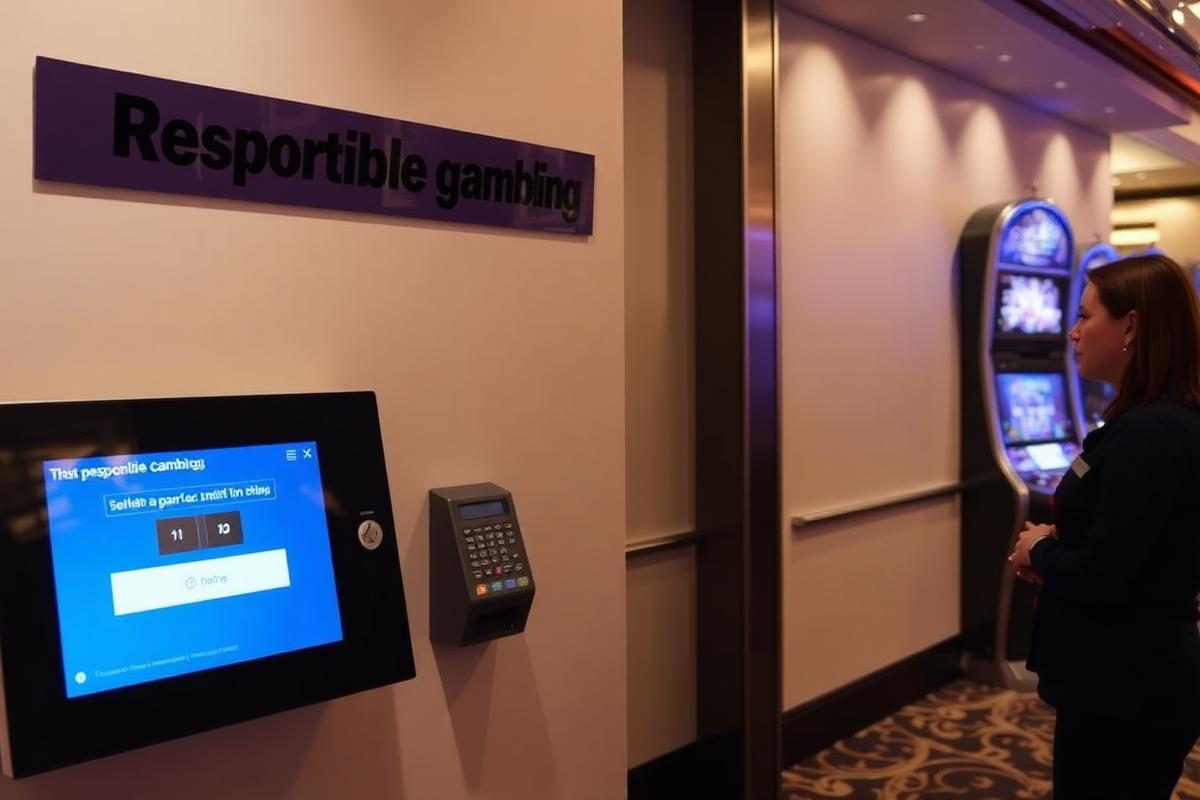
Account-based play makes pre-commitment tools practical in a way that cash never allowed. Limits can be set before a session begins, breaks can be prompted, and activity statements can be produced on request. Several jurisdictions have made these capabilities a condition of any move away from cash rather than an optional feature.
The design questions are subtle. A limit that is easy to raise mid-session undermines its own purpose; one that cannot be adjusted at all creates support load and frustration. Venues are converging on cooling-off periods for increases and immediate effect for reductions.
Financial-crime controls and record-keeping
Traceability cuts both ways. Account-based systems create a reliable record that supports anti-money-laundering obligations, but they also create a data set that must be retained, secured and made available to regulators in a defined format. Venues without mature data governance find that the compliance obligation arrives faster than the commercial benefit.
What a successful trial looks like
The trials described as successful share a pattern: a limited cohort, a defined evaluation period, published parameters, an independent evaluation, and a stated position on what would cause the venue to stop. Programmes without those elements tend to produce a technology demonstration rather than evidence.
“Traceability cuts both ways: the same record that supports compliance must also be governed, secured and produced on demand.”
Bravencora editorial analysis
Key facts
- Change management, not integration, dominates cashless programme effort.
- Pre-commitment tools are increasingly a condition of cashless approval.
- Reductions to limits typically take immediate effect; increases face cooling-off periods.
- Retention and disclosure obligations arrive with the new data set.
Editorial demo content. Bravencora sample reporting is written to illustrate industry practice and is not presented as verified news about named companies, projects or legislation.