
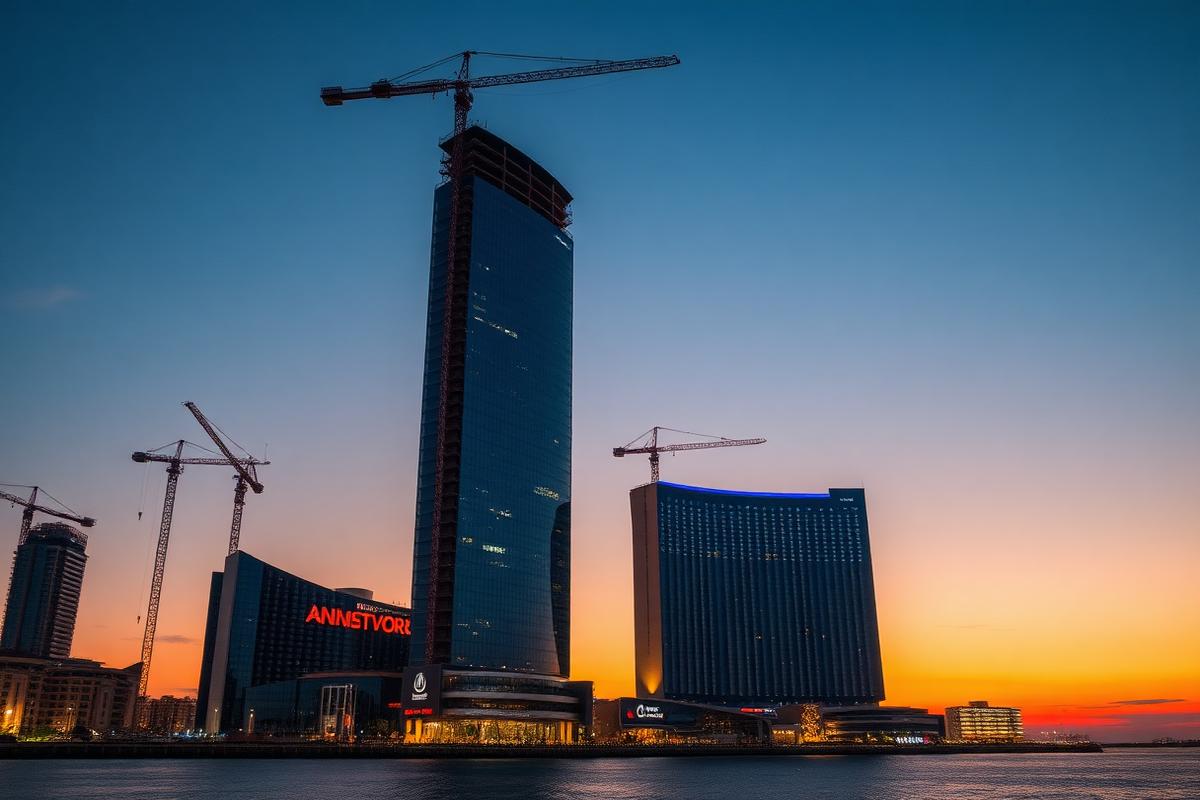
A different brief for the second stage
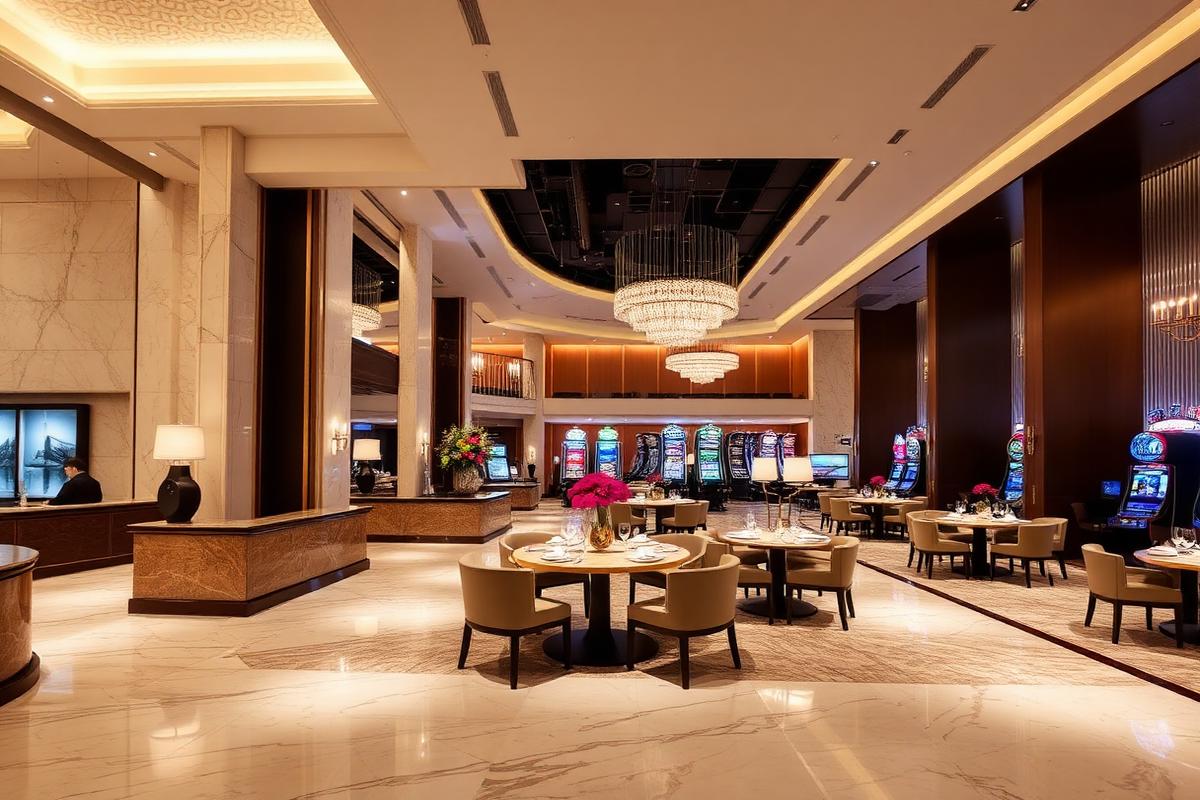
Multi-phase resort programmes were typically master-planned years before their later stages break ground. When those stages are finally funded, the assumptions underneath them — visitation mix, air access, competitive supply, regulatory settings — have usually moved. The current round of phase-two reviews is producing consistent revisions in one direction: proportionally less gaming floor and proportionally more entertainment, event and accommodation space.
This is not a retreat from gaming. It reflects the observation that gaming performance in a mature property is more sensitive to total visitation and length of stay than to the number of positions installed.
Construction sequencing under an operating property
Building a second phase adjacent to a trading resort imposes constraints that a greenfield site does not: noise windows, vibration limits near gaming areas, separated logistics routes and continuous fire-engineering review. These constraints frequently determine the programme more than the structure itself.
Experienced developers now price the operating-property premium explicitly rather than discovering it during delivery.
Approvals as a design input
Planning and licensing conditions increasingly specify community benefit, transport contributions, employment commitments and responsible-gambling infrastructure. Treating these as a design input at concept stage, rather than as a later negotiation, has become the practical difference between projects that hold their programme and those that do not.
“Gaming performance in a mature property is more sensitive to visitation and length of stay than to the number of positions installed.”
Bravencora projects desk
Key facts
- Phase-two reviews are shifting area towards entertainment and accommodation.
- Construction beside a trading property carries a measurable delivery premium.
- Licensing and planning conditions are being treated as concept-stage design inputs.
Editorial demo content. Bravencora sample reporting is written to illustrate industry practice and is not presented as verified news about named companies, projects or legislation.